Bringing home a new puppy or kitten is an exciting time for any family. It can also feel a little overwhelming. There is often a lot of information to take in during the first few months, from vaccinations and parasite protection to feeding, training and long-term health decisions.
At Dural Veterinary Hospital, we aim to make this process simple and supportive. Our team works closely with new owners to guide you through the early stages of pet ownership and help your new companion grow into a healthy and happy adult.
Your First Vet Visit
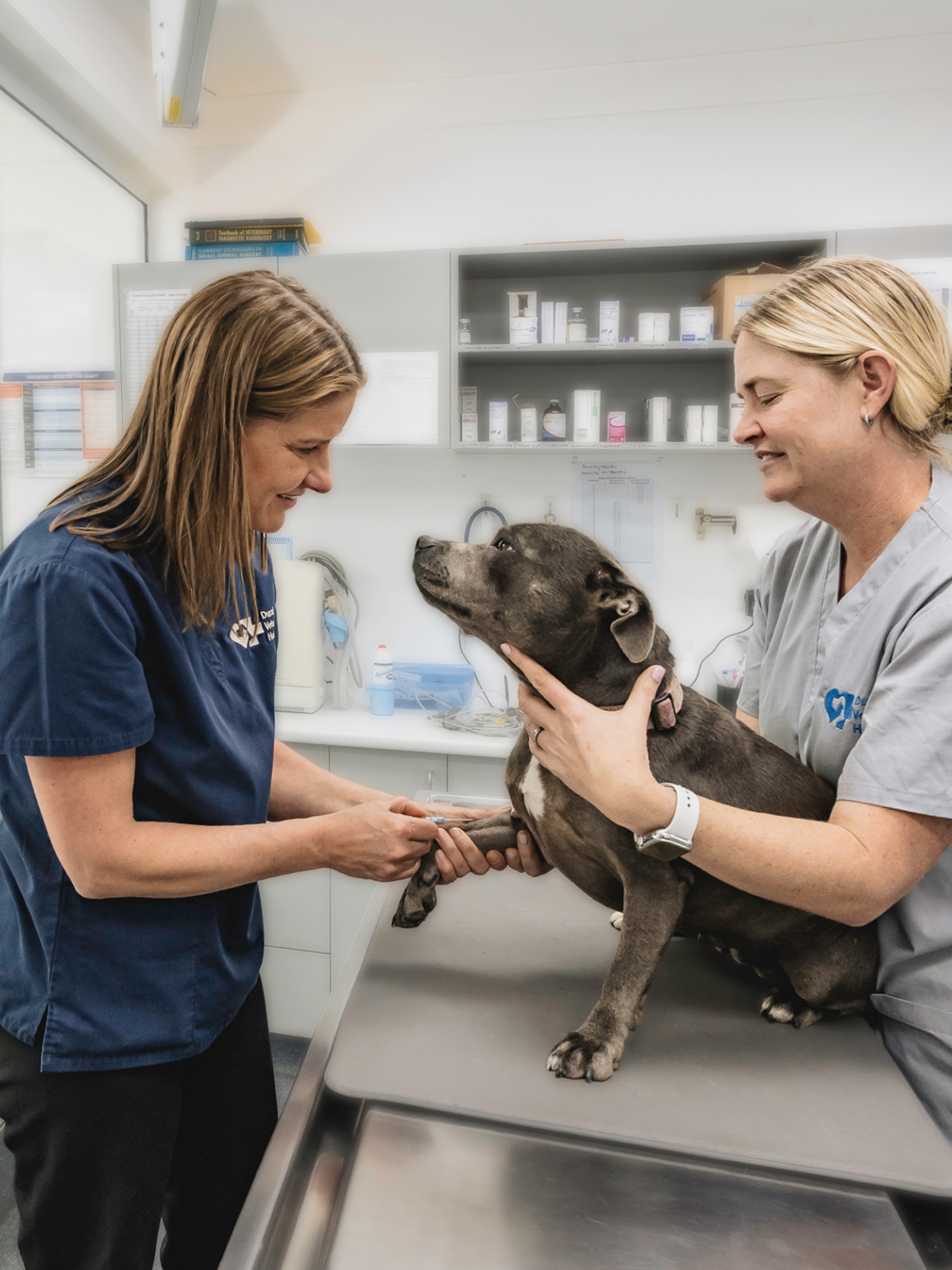
One of the most important first steps after bringing home a puppy or kitten is a veterinary health check.
During this visit we perform a careful examination to make sure your new pet is developing normally. This includes checking for congenital (birth) defects that may not be obvious at home, such as:
• heart murmurs
• umbilical hernias
• developmental abnormalities
We will also check your puppy’s teeth and jaw alignment, examine their eyes and ears, assess their growth and body condition, and ensure they are progressing normally.
This appointment is also an opportunity for you to ask questions. Many new owners have a long list of things they are unsure about, and we are always happy to talk through any concerns.
Even if your puppy or kitten is not yet due for vaccinations, we encourage owners to take advantage of our free first health check so we can perform a full examination and check for any concerns.
Your First Vet Visit
One of the most important first steps after bringing home a puppy or kitten is a veterinary health check.
During this visit we perform a careful examination to make sure your new pet is developing normally. This includes checking for congenital (birth) defects that may not be obvious at home, such as:
• heart murmurs
• umbilical hernias
• developmental abnormalities
We will also check your puppy’s teeth and jaw alignment, examine their eyes and ears, assess their growth and body condition, and ensure they are progressing normally.
This appointment is also an opportunity for you to ask questions. Many new owners have a long list of things they are unsure about, and we are always happy to talk through any concerns.
Even if your puppy or kitten is not yet due for vaccinations, we encourage owners to take advantage of our free first health check so we can perform a full examination and check for any concerns.
Vaccinations
Vaccination is the best way to protect puppies and kittens from several serious and potentially life-threatening diseases.
For puppies we routinely vaccinate against:
- Distemper
- Hepatitis
- Parvovirus
- Kennel cough
Puppies typically receive vaccinations at:
- 6–8 weeks
- 10–12 weeks
- 16 weeks or older
For adult dogs, boosters are then given according to current vaccination guidelines. Some core vaccines can now be given every three years in adult dogs.
In our area we also recommend vaccination against leptospirosis, a bacterial disease that has become more common in New South Wales in recent years. Because it is a relatively recent concern in this region, it may not have been part of the vaccination protocols for previous pets.
Protection against leptospirosis requires two initial injections given 2–4 weeks apart, followed by annual boosters.
Your vet will discuss the most appropriate vaccination plan based on your pet’s lifestyle and risk factors.
Parasite Protection
Young pets are particularly vulnerable to parasites, and protection should begin early.
Intestinal worms
Most puppies and kittens arrive in their new homes already carrying intestinal worms. These include roundworm, hookworm, whipworm and tapeworm. Regular worming is important during the early months of life.
Heartworm (dogs)
Heartworm is transmitted by mosquitoes and is present in the Sydney region. The disease affects the heart and lungs and can be fatal without treatment. Prevention should begin early and continue throughout life.
Fleas
Fleas are extremely common and are responsible for many skin problems in dogs and cats. In allergic animals, even a single flea bite can cause severe itching.
Paralysis ticks
In the Hills District, paralysis ticks are a serious and potentially life-threatening risk. These ticks release a toxin that can cause progressive paralysis. Signs may include weakness in the back legs, vomiting, changes in bark or breathing difficulties.
Tick prevention is essential for dogs living in tick-prone areas, and regular tick searches are always recommended.
Our team can help you choose the most appropriate parasite prevention plan for your pet.
Parasite Protection
Young pets are particularly vulnerable to parasites, and protection should begin early.
Intestinal worms
Most puppies and kittens arrive in their new homes already carrying intestinal worms. These include roundworm, hookworm, whipworm and tapeworm. Regular worming is important during the early months of life.
Heartworm (dogs)
Heartworm is transmitted by mosquitoes and is present in the Sydney region. The disease affects the heart and lungs and can be fatal without treatment. Prevention should begin early and continue throughout life.
Fleas
Fleas are extremely common and are responsible for many skin problems in dogs and cats. In allergic animals, even a single flea bite can cause severe itching.
Paralysis ticks
In the Hills District, paralysis ticks are a serious and potentially life-threatening risk. These ticks release a toxin that can cause progressive paralysis. Signs may include weakness in the back legs, vomiting, changes in bark or breathing difficulties.
Tick prevention is essential for dogs living in tick-prone areas, and regular tick searches are always recommended.
Our team can help you choose the most appropriate parasite prevention plan for your pet.
Nutrition & Feeding
Good nutrition is essential for healthy growth and development.
When choosing a diet it is important to consider your pet’s:
- age
- breed and expected adult size
- activity level
Many puppies and kittens do very well on high-quality commercial diets formulated specifically for growth.
Some families prefer fresh prepared or home-prepared diets. While these can work well, it is important that they are properly balanced for growing animals. Our vets are happy to discuss safe feeding options and help you find an approach that works for your pet and your household.
It is also important to remember that some human foods can be dangerous for pets. Foods such as chocolate, onions, garlic, grapes, raisins and macadamia nuts can be toxic to dogs.
Training, Behaviour & Socialisation
Early training and socialisation play a huge role in shaping your pet’s behaviour as an adult.
Positive early experiences with people, other animals and new environments help puppies and kittens grow into confident and well-adjusted pets.
For puppies we strongly recommend puppy preschool, which provides structured socialisation and introduces basic training skills.
Gentle, consistent and reward-based training helps build a strong bond between pets and their owners and sets the foundation for a lifetime of good behaviour.
Training, Behaviour & Socialisation
Early training and socialisation play a huge role in shaping your pet’s behaviour as an adult.
Positive early experiences with people, other animals and new environments help puppies and kittens grow into confident and well-adjusted pets.
For puppies we strongly recommend puppy preschool, which provides structured socialisation and introduces basic training skills.
Gentle, consistent and reward-based training helps build a strong bond between pets and their owners and sets the foundation for a lifetime of good behaviour.
Desexing
Desexing prevents unwanted litters and provides several important health benefits.
Traditionally dogs were routinely desexed around six months of age. More recent research suggests that the ideal timing may vary depending on breed, size and lifestyle.
Our vets will discuss the most appropriate timing for desexing based on your individual pet and your long-term plans.
Microchipping & Registration
Microchipping provides permanent identification for your pet and is a legal requirement in NSW.
The small microchip is placed under the skin between the shoulder blades and allows lost pets to be reunited with their families.
Once your pet is microchipped, owners must register them on the NSW Pet Registry to complete the identification process and arrange lifetime council registration.
Microchipping & Registration
Microchipping provides permanent identification for your pet and is a legal requirement in NSW.
The small microchip is placed under the skin between the shoulder blades and allows lost pets to be reunited with their families.
Once your pet is microchipped, owners must register them on the NSW Pet Registry to complete the identification process and arrange lifetime council registration.
Planning for Your Pet’s Future Health
Many new owners also ask about pet insurance.
While we cannot recommend specific policies, we are happy to discuss:
- the advantages of pet insurance
- common limitations of policies
- the types of veterinary treatment that may be covered
Planning ahead can help ensure that financial decisions do not limit treatment options if your pet becomes ill in the future.
Start Your Puppy or Kitten Off Right
We love meeting new puppies and kittens and helping families navigate the early stages of pet ownership.
If you have recently welcomed a new pet into your home, we encourage you to book their first health check with our team.
Download our free guide to bringing home a new puppy or kitten.
Start Your Puppy or Kitten Off Right
We love meeting new puppies and kittens and helping families navigate the early stages of pet ownership.
If you have recently welcomed a new pet into your home, we encourage you to book their first health check with our team.
Download our free guide to bringing home a new puppy or kitten.
Ready to book an appointment?
Choose a time that suits you and we’ll take great care of you both.