Pet Health Resources & Expert Advice
Helpful FAQs and veterinary guides covering common concerns and everyday pet care.
- FAQs for New Puppy Owners
- FAQs for New Kitten Owners
- FAQs for Dog Owners
- FAQs for Cat Owners
FAQs for New Puppy Owners
Growing puppies have very specific nutritional needs, so it is important to feed a complete diet formulated for puppies. Most puppies are fed three to four small meals per day while they are very young, gradually reducing to two meals per day as they grow. The right food will depend on your puppy’s breed, expected adult size and growth rate. Our vets can help you choose an appropriate diet and feeding schedule to support healthy growth.
Training can begin as soon as your puppy comes home. Early training focuses on building positive habits such as toilet training, gentle handling and responding to their name. Puppy preschool is highly recommended because it provides structured socialisation with other puppies and teaches owners how to reinforce good behaviour. Early socialisation and positive training help puppies grow into confident and well-behaved adult dogs.
Puppies are typically vaccinated at 6–8 weeks, 10–12 weeks and 16 weeks of age. These vaccinations protect against serious diseases including distemper, hepatitis, parvovirus and kennel cough. In the Hills District we also recommend vaccination against leptospirosis, which requires two injections given 2–4 weeks apart. Your vet will discuss the most appropriate vaccination plan based on your puppy’s lifestyle and risk factors.
Puppies are commonly born with intestinal worms, so regular worming is important in the early months of life. Protection against fleas, ticks and heartworm is also essential. In our region paralysis ticks are a serious risk, so effective tick prevention is particularly important. Your vet can recommend parasite prevention products that protect against multiple parasites in one treatment where possible.
Desexing prevents unwanted litters and provides several important health benefits. The ideal timing for desexing can vary depending on your dog’s breed, size and lifestyle. Traditionally dogs were desexed around six months of age, but more recent research suggests that timing may be adjusted in some cases. Our vets will discuss the most appropriate timing for your individual dog.
Some common household items can be toxic to dogs. Foods such as chocolate, grapes, raisins, onions, garlic and macadamia nuts should never be fed to puppies. Certain plants, compost and medications can also be dangerous if ingested. Puppies are naturally curious, so keeping potentially toxic items out of reach is important while they are exploring their new environment.
Pet insurance can help cover the cost of unexpected illness or injury. While we cannot recommend specific insurance providers, we are happy to discuss the benefits and limitations of pet insurance policies. Many owners choose to arrange insurance while their pet is young, before any pre-existing conditions develop.
Most puppies do not need frequent bathing unless they become dirty. Occasional baths using a gentle puppy-specific shampoo are usually sufficient.
Regular brushing helps maintain coat condition and helps puppies become comfortable with being handled and groomed.
We also recommend arranging a short familiarisation visit with a professional groomer early on, ideally during your puppy’s socialisation period. This helps puppies become comfortable with the sights, sounds and handling involved in grooming, which can make future grooming visits much easier and less stressful.
Puppies begin losing their baby teeth and developing adult teeth from around four months of age. During this time they may chew more as their teeth and gums change. Providing safe chew toys can help relieve discomfort. Establishing good dental care early, such as tooth brushing or dental chews, helps protect long-term dental health.
Toilet training works best with consistent routines and positive reinforcement. Take your puppy outside regularly, especially after eating, sleeping and playing. When they toilet in the correct area, reward them immediately with praise or a small treat. Accidents are normal while puppies are learning, so patience and consistency are key.
FAQs for New Kitten Owners
Kittens grow very quickly and need a complete diet formulated specifically for kittens. These diets contain the higher levels of protein, energy and nutrients required for healthy growth and development.
Most kittens do best when fed three to four small meals per day while they are young. As they grow, this can gradually transition to two meals per day. Our vets can help you choose a diet appropriate for your kitten’s age, lifestyle and expected adult size.
Most kittens naturally use a litter tray, especially if they were raised by their mother in a clean environment.
Place the litter tray in a quiet, easily accessible location and gently place your kitten in the tray after meals or naps to help them learn where it is. Keeping the tray clean and using a litter your kitten is comfortable with will encourage consistent use.
If accidents occur, avoid punishment and instead gently guide your kitten back to the tray.
Kittens are typically vaccinated at 6–8 weeks, 10–12 weeks and 16 weeks of age.
These vaccinations protect against serious viral diseases including:
- Feline panleukopenia
• Feline herpesvirus
• Feline calicivirus
Your vet will discuss the most appropriate vaccination plan for your kitten depending on their lifestyle, including whether they will live indoors only or have outdoor access
Kittens are commonly born with intestinal worms, so regular worming is important in the early months of life.
Protection usually includes:
- intestinal worm treatment
• flea prevention
• tick protection if your cat goes outdoors
Your vet can recommend safe and effective parasite prevention products suitable for kittens.
Kittens are usually desexed from around four to six months of age, although timing may vary depending on the individual cat.
Desexing prevents unwanted litters and helps reduce behaviours such as roaming, spraying and fighting. It also provides several important health benefits and contributes to the long-term wellbeing of your cat.
Your vet will help you decide on the most appropriate timing for your kitten.
Cats are curious animals and may chew or investigate objects around the home.
Some common hazards include:
- lilies (extremely toxic to cats)
• certain houseplants
• human medications
• chocolate and some human foods
• essential oils and cleaning products
If you are unsure whether something may be toxic to your kitten, it is safest to keep it out of reach and ask your vet for advice.
Pet insurance can help cover the cost of unexpected illness or injury.
While we cannot recommend specific insurance providers, we are happy to discuss the advantages and limitations of pet insurance policies and what types of veterinary treatment may be covered.
Many owners choose to organise insurance while their pet is young, before any pre-existing conditions develop.
Most cats are excellent self-groomers and rarely need bathing.
Regular brushing can help remove loose hair, reduce hairballs and keep the coat healthy. Long-haired breeds may benefit from more frequent brushing and occasional professional grooming.
Introducing grooming gradually while your kitten is young helps them become comfortable with handling and grooming throughout life.
Kittens begin losing their baby teeth and developing adult teeth from around four to five months of age.
During this time they may chew more or seem slightly uncomfortable as their teeth change. Providing appropriate toys and establishing good dental care early can help protect long-term dental health.
Your vet will check your kitten’s teeth and dental alignment during routine health checks.
The first few days in a new home can feel overwhelming for a kitten. Providing a quiet, safe space where they can retreat will help them settle more quickly.
Make sure they have access to:
- a comfortable sleeping area
• fresh food and water
• a clean litter tray
• safe toys and scratching surfaces
Allow your kitten to explore gradually and let them approach you at their own pace while they build confidence in their new environment.
FAQs for Dog Owners
Nutrition plays an important role in your dog’s long-term health. Many dogs do very well on high-quality commercial diets that are formulated to provide complete and balanced nutrition.
Some owners prefer fresh prepared or raw diets. These approaches can work well, but they also carry potential risks if they are not properly balanced. Raw bones can sometimes be beneficial for dental health, but they also carry risks, including broken teeth, choking or intestinal injury. Our vets are happy to discuss the advantages and limitations of different feeding approaches and help you choose an option that is safe, balanced and practical for your household.
Vaccination helps protect dogs from several serious infectious diseases. Puppies receive a series of vaccinations when they are young, followed by booster vaccinations as adults.
The core C3 vaccine (distemper, hepatitis and parvovirus) provides protection for three years in adult dogs. Other vaccines such as kennel cough and leptospirosis require annual boosters because immunity does not last as long.
For owners who prefer not to follow a set vaccination schedule for C3, we also offer titre testing for distemper and parvovirus, which measures antibody levels to assess whether protection is still present.
Your vet will recommend the most appropriate vaccination strategy based on your dog’s lifestyle and risk factors.
Desexing prevents unwanted litters and provides several important health benefits. These include removing the risk of pyometra (uterine infection) in females and reducing the risk of certain cancers and reproductive diseases.
The ideal timing for desexing can vary depending on your dog’s breed, size and lifestyle. Our vets will discuss the potential benefits and considerations so you can make an informed decision about what is best for your dog.
Dogs require regular protection against several parasites. This usually includes treatments for fleas, paralysis ticks, heartworm and intestinal worms.
In the Hills District, paralysis ticks are a serious and potentially life-threatening risk, so effective tick prevention is especially important. Modern parasite preventatives often protect against multiple parasites in a single treatment. Our vets can help you choose the most appropriate prevention plan for your dog.
Pet insurance can help cover the cost of unexpected illness or injury. While we cannot recommend specific insurance providers, we are happy to discuss the advantages and limitations of different policies.
Many owners choose to arrange insurance while their dog is young and healthy, before any pre-existing conditions develop.
Persistent itching or licking, particularly of the feet, is usually a sign of underlying skin disease rather than a habit. Allergies are one of the most common causes, although infections, parasites or other conditions can also contribute.
Skin problems in dogs often require long-term management rather than a quick fix. Identifying and treating any secondary infections is essential, as infections can significantly worsen itching.
Loss of appetite is usually a sign that something is wrong. While it may occasionally be related to a mild issue such as eating something inappropriate, it can also indicate pain, nausea or underlying illness.
If your dog misses more than one meal, appears unwell or shows other symptoms such as vomiting, lethargy or behavioural changes, it is best to have them checked by a vet.
Some common foods and household items can be toxic to dogs. These include chocolate, grapes, raisins, onions, garlic and macadamia nuts.
Other risks include certain plants, medications, compost and cleaning products. If you suspect your dog may have eaten something toxic, contact your vet promptly for advice.
Vomiting and diarrhoea are common symptoms in dogs and can occur for many different reasons. Sometimes it may be something relatively mild, such as eating something inappropriate.
In other cases it may indicate infection, inflammation, dietary intolerance or more serious illness. If symptoms are severe, persist or recur, veterinary examination is recommended so the underlying cause can be identified.
Panting may occur with exercise, excitement or warm weather, but increased or persistent panting can sometimes indicate pain, stress or illness.
Coughing can be associated with respiratory infections, airway disease or heart conditions. If coughing persists or is accompanied by breathing difficulty, lethargy or reduced exercise tolerance, it is best to have your dog examined by a vet.
FAQs for Cat Owners
Cats have specific nutritional requirements and need a diet that is complete and balanced for cats. Most adult cats do well on two meals per day, although some owners prefer to divide food into smaller portions.
Many cats are fed a combination of wet and dry food. However, research in feline nutrition continues to evolve, and many vets are now recommending a higher proportion of wet food, particularly for senior cats, as it can help support hydration and urinary health. Our vets can help you choose an appropriate diet based on your cat’s age, lifestyle and health.
Vaccination protects cats from several serious viral diseases. Kittens receive a series of vaccinations when they are young, followed by booster vaccinations as adults.
Core vaccinations protect against feline panleukopenia, herpesvirus and calicivirus. Booster frequency may vary depending on your cat’s lifestyle, including whether they live indoors only or have outdoor access. Your vet will recommend a vaccination schedule tailored to your cat’s risk level.
Cats are typically desexed from around four to six months of age.
Desexing prevents unwanted litters and helps reduce behaviours such as roaming, spraying and fighting. It also reduces the risk of certain reproductive diseases and contributes to a longer, healthier life.
Your vet can discuss the most appropriate timing for your individual cat.
Cats require regular protection against fleas, intestinal worms and paralysis ticks.
In the Hills District, paralysis ticks are very common and can cause severe, potentially life-threatening illness. For this reason we recommend regular tick prevention for all cats, particularly those that spend time outdoors.
For cats that are difficult to give tablets, spot-on parasite preventatives applied to the skin can be a very convenient option. Your vet can recommend products that suit your cat’s lifestyle and parasite risks.
Pet insurance can help cover the cost of unexpected illness or injury. While we cannot recommend specific insurance providers, we are happy to discuss the advantages and limitations of different policies.
Many owners choose to arrange insurance while their cat is young and healthy, before any pre-existing conditions develop.
Cats are very good at hiding signs of illness, so changes in behaviour such as loss of appetite, hiding or reduced interaction can sometimes be the first sign that something is wrong.
Cats that stop eating can become unwell relatively quickly, so a reduced appetite that lasts more than a day or is accompanied by other symptoms should be checked by a vet.
Some common household items can be toxic to cats.
One of the most important to be aware of is lilies, which are extremely toxic to cats and can cause severe kidney failure even with small exposures. Other risks include certain medications, cleaning products, essential oils and some human foods.
If you suspect your cat has been exposed to something toxic, contact your vet immediately.
Occasional vomiting of hairballs can occur in some cats, particularly long-haired breeds.
However, frequent vomiting is not normal and may indicate gastrointestinal disease, food intolerance, parasites or other underlying illness. If vomiting occurs regularly or is accompanied by weight loss, lethargy or appetite changes, veterinary assessment is recommended.
Changes in urination can be caused by behavioural issues, but they are also commonly associated with urinary tract disease in cats.
Increased trips to the litter tray, straining, or urinating outside the litter box should always be investigated. In male cats, urinary blockage can occur and is a life-threatening emergency, so prompt veterinary attention is important if your cat is struggling to urinate.
Giving tablets to cats can sometimes be challenging. Some medications can be hidden in a small amount of food or a specialised pill treat.
In other cases, tablets may need to be placed directly at the back of the tongue and followed with a small amount of water or food. If giving tablets at home is difficult, our team can demonstrate techniques or discuss alternative medication options, including liquids or compounded formulations.
FAQs about the Dural Veterinary Hospital
Yes — we run by appointment so we can give every pet the time and care they deserve.
You can book online or call our friendly reception team.
We keep urgent care appointments available each day so we can help when it matters most. If you have an emergency, please call us while you are on the way so our Dural veterinary team can prepare for your arrival.
Yes — we are always happy to welcome new clients from Dural and the Hills District, including families with new puppies and kittens.
If you’re new to the area or looking for a new vet, we’d love to meet you and your pet. We offer a complimentary first health check so you can visit the hospital, meet our team and feel confident you’ve found the right fit.
At your first visit to our Dural veterinary clinic, we focus on making you and your pet feel comfortable, supported and well cared for.
- Easy arrival: On-site parking right at the front door. Please bring cats in carriers and dogs on lead.
- A warm welcome: Our team will greet you and confirm your contact details and your pet’s history.
- Unhurried time: We offer 30-minute consultations as standard so we can run on time without rushing anyone.
- We listen first: Our experienced, compassionate vets take time to understand your concerns.
- A thorough, gentle examination: Using calm, low-stress handling (and plenty of treats).
- Clear options and plan: We explain findings and discuss treatment options, considering your budget and preferences.
Ongoing care: We follow up to make sure your pet is improving and that you feel supported.
Our standard consultation fee at Dural Veterinary Hospital is $119 for a 30-minute appointment with an experienced veterinarian (minimum 10 years’ experience).
This includes a thorough history, full physical examination and an individualised treatment plan for your pet.
If additional tests or treatments are recommended, we will always discuss costs with you first.
At our Dural veterinary hospital, we primarily treat dogs and cats.
We see rabbits for routine care and simpler medical issues, and we can guide you to appropriate referral options for more complex cases.
We can also help direct you to trusted local vets for birds and exotics where needed.
We will always do our best to assist wildlife and injured native animals where possible.
If your pet needs urgent care during our opening hours, we will always see you. Please call ahead so our team can prepare.
If we are closed, there are several 24-hour emergency veterinary hospitals near Dural, including:
- SASH North Ryde and Prospect
- Animal Referral Hospital (ARH) Homebush
We understand that caring for your pet can sometimes involve unexpected decisions, and we aim to make the process as straightforward and stress-free as possible.
Payment is required at the time of consultation or treatment. We accept cash and credit cards, including American Express.
For procedures beyond a routine consultation, we will always provide a written estimate in advance and talk through all options with you.
VetPay Payment Plans
We offer VetPay for clients who prefer to spread the cost of treatment with manageable repayments.
GapOnly® Insurance Claims
If your pet is insured, we can process GapOnly® claims at the time of your visit so you only pay the gap between your invoice and your insurer’s benefit.
We are always happy to talk through options and help you plan your pet’s care in a way that works for your budget.
Yes — we perform veterinary surgery and dental procedures in Dural every weekday.
Our experienced vets perform a wide range of procedures, from routine desexing and lump removals to more complex surgeries. We also work with mobile specialist surgeons for advanced procedures such as orthopaedics when needed.
We place a strong emphasis on dental health, and several of our vets have undertaken further training in veterinary dentistry.
Yes — we take a holistic, whole-pet approach to health.
All of our vets consider lifestyle, behaviour and preventative care as part of every treatment plan.
- Herbal & integrative medicine:
Dr Nagisa Hiraoka has undertaken advanced training in veterinary herbal medicine and offers integrative treatment options where appropriate.
Behaviour consultations:
Dr Eleanor Tuffley has postgraduate training in behavioural medicine and offers consultations to help with anxiety, behavioural concerns and improving the human–animal bond.
Dural Veterinary Hospital is conveniently located just across from the shops in Round Corner Dural in the Hills District of Sydney, with easy on-site parking directly at the front door for your convenience.
We regularly care for pets from surrounding areas including Glenhaven, Castle Hill, Kellyville, Glenorie, Kenthurst, Annangrove, Galston and Cherrybrook.
What Is Your Pet Trying to Tell You?
Owners are usually the first to notice when something is different with their pets.
We have written clear, concise guides to help navigate some of the most common concerns pet owners have.

Limping or changes in mobility
Whether it is an acute injury in a young dog or an older pet who can not move like they used to, we use gentle, thorough examinations and in-house x-ray to get a diagnosis and effective treatment plan for your pet.

Constantly Itchy or Scratching
Chronic skin issues and recurrent ear infections are frustrating for pets and owners alike. The key is finding effective, sustainable strategies to help you manage your pet’s allergies throughout their life.

Smelly Breath or Red Gums
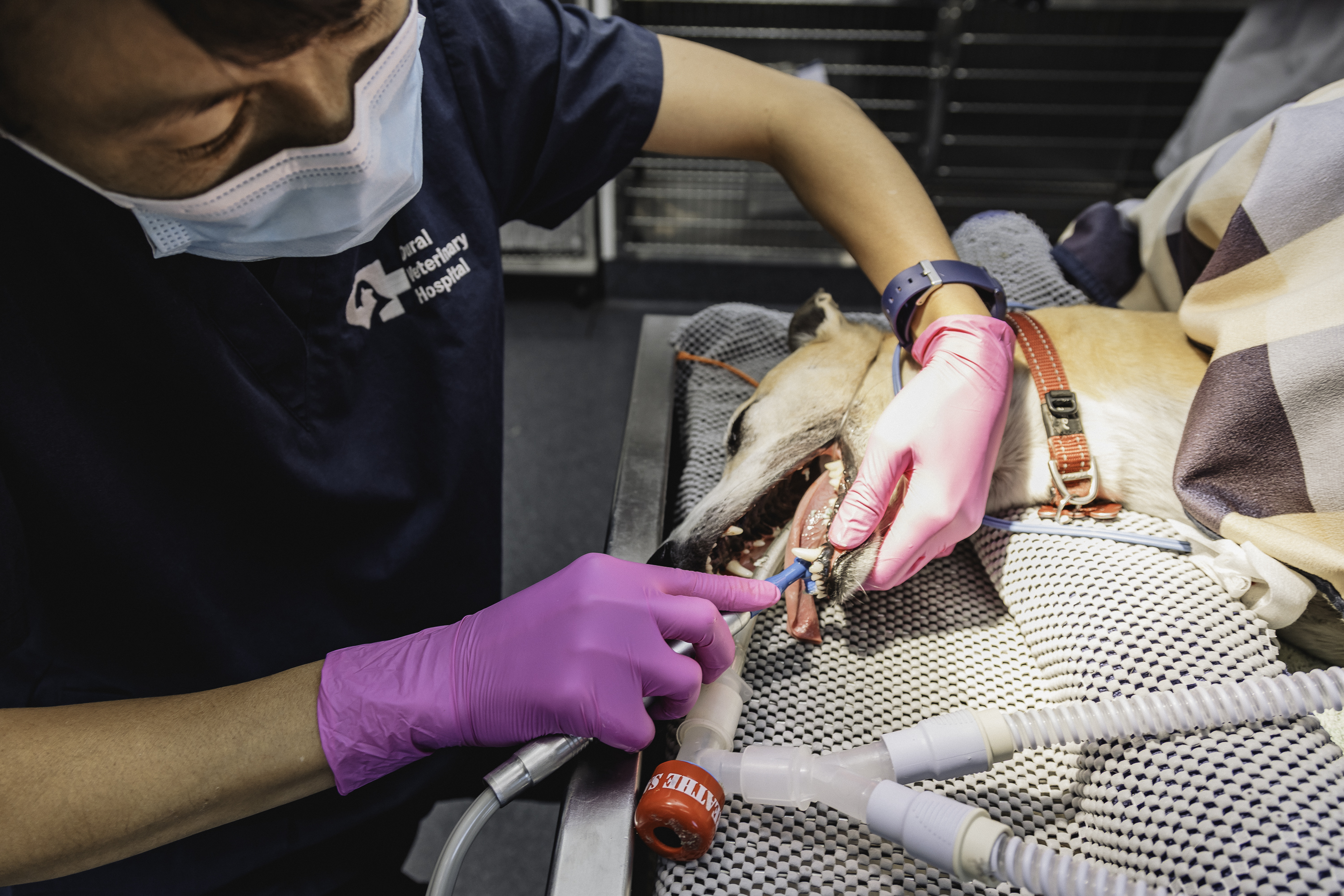
Bad breath is often the first sign of dental disease. Dental disease is one of the most common conditions we see in dogs and cats and has a huge impact on the health and welfare of many patients.

Vomiting or Tummy Upsets
Vomiting can be a symptom of a wide range of diseases - from the simple to the really serious. Our vets use their years of experience and our in-house laboratory, xray and ultrasound to get to the bottom of these challenging cases.

Anxious, Hiding or Destructive
Your pet’s behaviour is their way of communicating stress or pain. Dr Eleanor provides behavioural consultations to address anxiety and phobias, helping to restore a calm, happy bond in your home.
Just ‘not themselves
Our pets can not tell us what is wrong - but you know when something is just ‘not right’. Our vets take thorough histories, conduct detailed examinations and have years of experience. Combine this with our in-house laboratory, xray and ultrasound and we can work out what they are trying to tell us.

Coughing or changes in breathing
Coughing and changes in breathing can quickly become very serious. Our experienced vets and in-house diagnostics means we can investigate and get answers when urgent help is needed

Not eating or reduced appetite
Not eating can be a symptom of a wide range of diseases - from the simple to the serious. Our vets use their years of experience and our in-house laboratory, xray and ultrasound to get to the bottom of these challenging cases.

Skin lumps and bumps
Skin lumps and bumps can be benign, often age-related changes. But some can be more serious or even life-threatening. It is always worth getting any new lump or bump checked out.
The Dural Pet Health Journal
Your Guide to Expert Care in the Hills District
New to the clinic? Start here. We’ve curated the essential guides and latest clinical insights from our team to ensure you and your pet feel supported from your very first visit.

Why Is My Dog So Itchy? Understanding Skin Allergies, Sore Ears and Licking Feet
Topical, Oral, or Long-Acting: Choosing the Best Tick Prevention for Your Pet
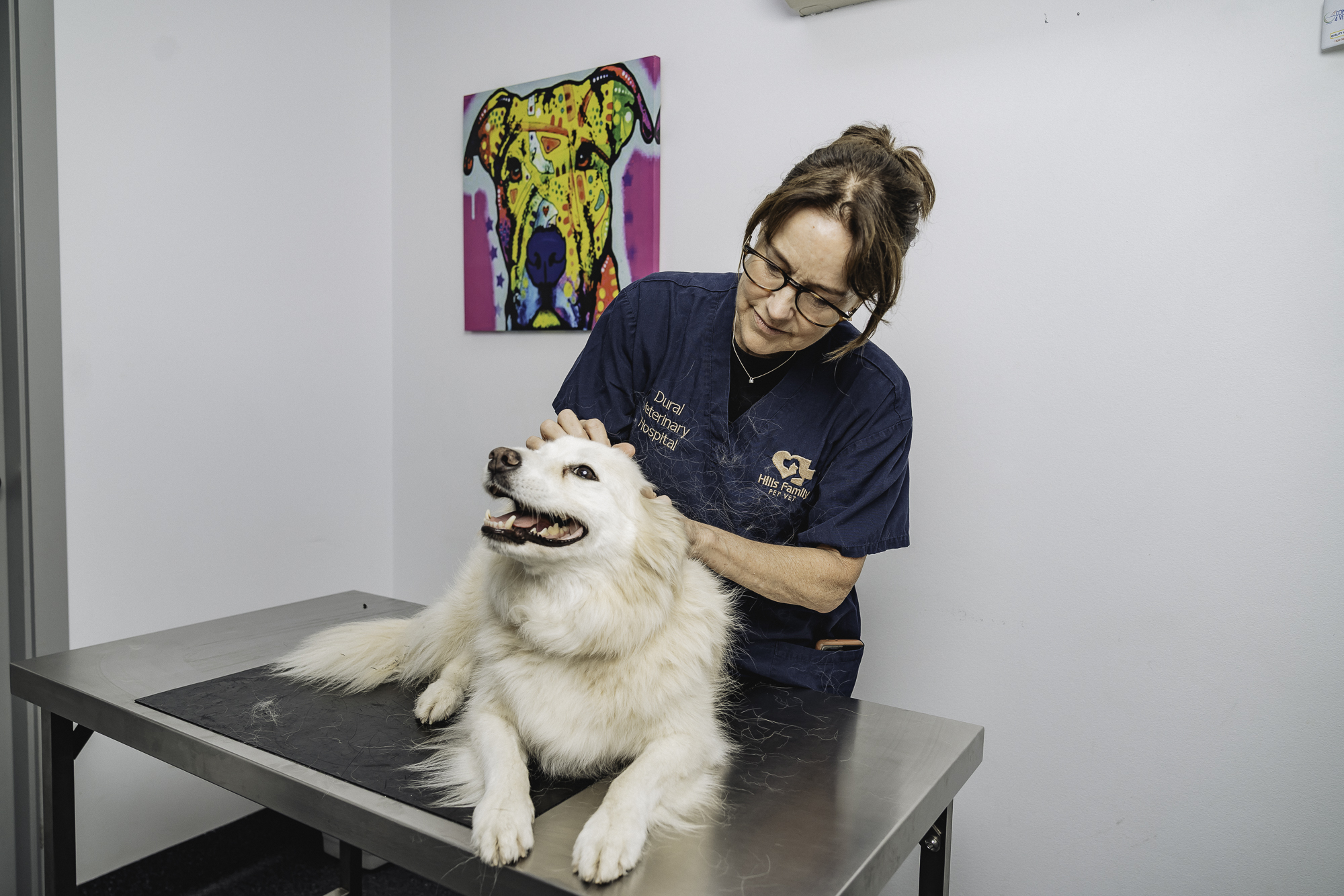
Paralysis Tick Prevention in the Hills District: What Local Pet Parents Need to Know
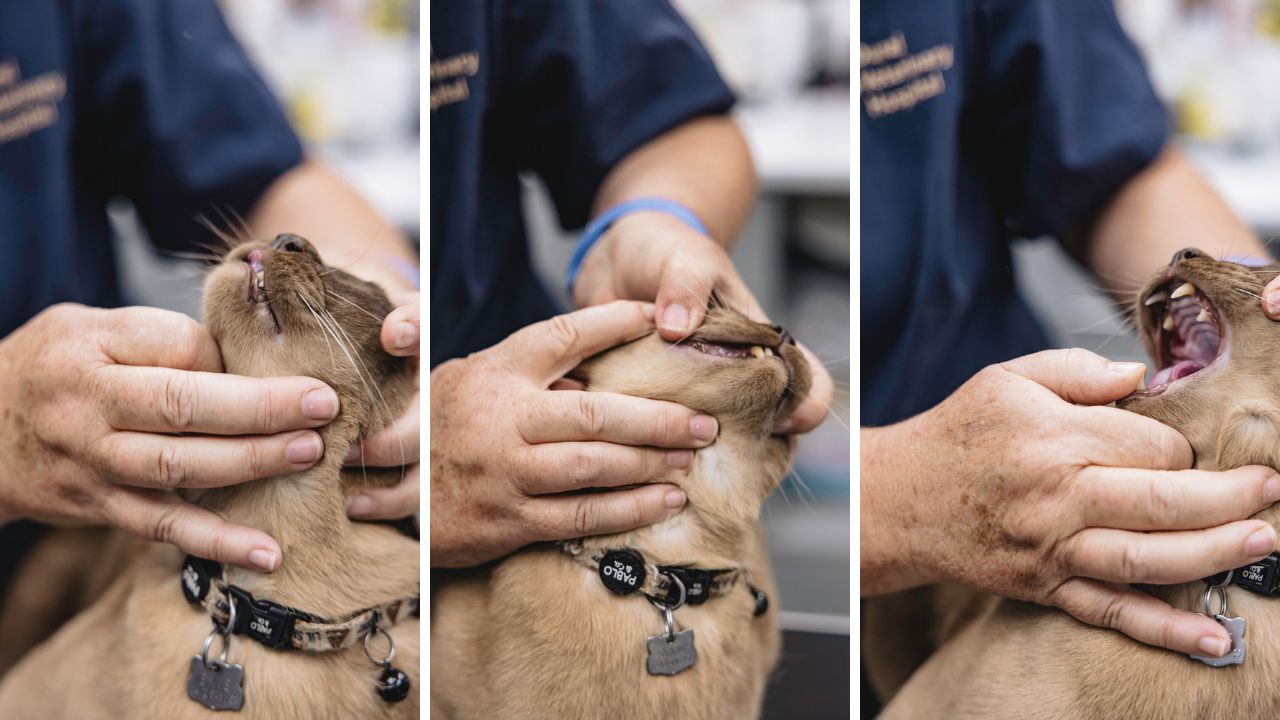
Cat Teeth Cleaning and Dental Surgery in the Hills District: What to Expect