
Arthritis in Dogs and Cats: Helping Pets Stay Comfortable as They Age
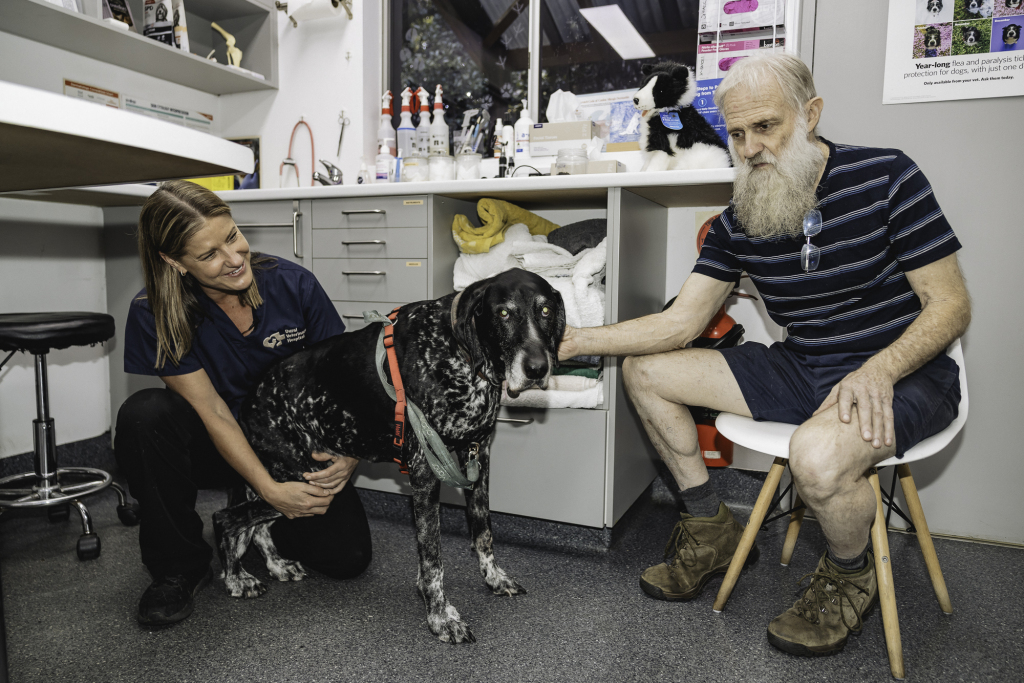
Many owners are surprised to learn just how common arthritis is in dogs and cats — and how often it goes unnoticed for months or even years.
At Dural Veterinary Hospital, we regularly see older pets from Dural, Glenhaven, Castle Hill and the wider Hills District who are quietly living with chronic pain that owners assumed was simply “old age.”
The reality is that arthritis can have a huge impact on a pet’s quality of life, but with the right management, many pets can become significantly happier, more comfortable and more mobile.
What is arthritis?
Arthritis (also called osteoarthritis or degenerative joint disease) occurs when the smooth cartilage within a joint gradually wears down over time. This leads to inflammation, stiffness and pain within the joint.
Arthritis is most common in older pets, but it can also affect younger animals, particularly those with:
- previous injuries
- cruciate ligament disease
- hip or elbow dysplasia
- luxating patellas
- obesity
- or developmental joint problems
Commonly affected areas include the hips, knees, elbows and spine.
Pets are very good at hiding pain
One of the biggest challenges with arthritis is that dogs and cats rarely cry out or obviously show pain.
Instead, owners often notice gradual behavioural changes such as:
- slowing down on walks
- reluctance to jump or use stairs
- stiffness after resting
- sleeping more
- hesitation getting into the car
- irritability or becoming less social
- difficulty grooming in cats
- toileting outside the litter tray
- or simply seeming “older”
Because these changes happen slowly, many families do not realise how uncomfortable their pet has become until treatment begins and they see the improvement.
Why assessment matters
Not every stiff or slowing pet has arthritis, and not every arthritic pet needs the same treatment plan.
A proper veterinary examination is important because it allows us to:
- assess which joints are affected
- determine the severity of discomfort
- look for muscle loss or reduced mobility
- identify other contributing conditions
- and create an individual management plan
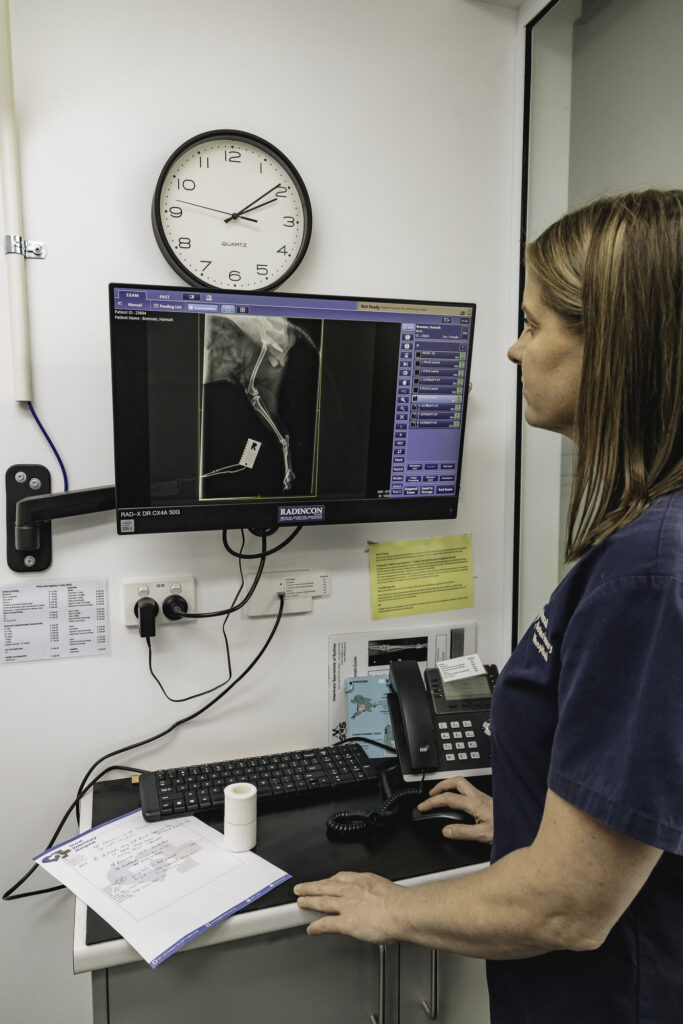
In some cases, X-rays or further diagnostics may also be recommended.
At Dural Veterinary Hospital, we take the time to assess how arthritis is affecting your pet’s daily life and comfort — not just whether they are limping.
Arthritis management can dramatically improve quality of life
One of the most rewarding parts of managing arthritis is seeing pets regain comfort, confidence and enjoyment in daily life.
Many owners tell us things like:
- “She’s acting like herself again.”
- “He wants to go for walks again.”
- “She’s jumping onto the couch for the first time in months.”
- “I didn’t realise how sore he actually was.”
Arthritis may not be curable, but good management can make an enormous difference to a pet’s wellbeing.
Our approach is simple: we want prevention to be practical, reliable and easy for owners to maintain long-term.
For many dogs, the annual heartworm injection is the easiest way to avoid accidental gaps in protection. It can often be given during a routine health check or vaccination visit, so your dog’s prevention stays simple and up to date.
There is no single ‘best’ treatment
Arthritis management has changed enormously over recent years, and there are now many different options available.
Depending on your pet, treatment may include:
- weight management
- tailored exercise plans
- joint supplements
- anti-inflammatory medications
- monthly arthritis injections
- pain relief medications
- physiotherapy and hydrotherapy
- laser therapy
- acupuncture
- supportive bedding and home modifications
- or a combination of approaches
Many pets benefit most from a multimodal plan, where several small strategies work together to improve comfort and mobility.
The right approach depends on:
- your pet’s age
- lifestyle
- severity of arthritis
- other medical conditions
- and what is practical for your family
Helping pets in Dural, Glenhaven and Castle Hill stay comfortable
At Dural Veterinary Hospital, we work with families across Dural, Glenhaven, Castle Hill, Kenthurst, Cherrybrook and surrounding areas to help ageing pets stay comfortable and active for as long as possible.
If you have noticed your dog or cat slowing down, becoming stiff, or changing their behaviour at home, it may be worth booking an arthritis assessment.
Often, the signs of pain are much more subtle than people expect — and treatment can make a far bigger difference than they imagined.